Your Reporting Shouldn’t Live in Excel: A Better Way to Track Recruitment Performance

The problem with spreadsheet reporting

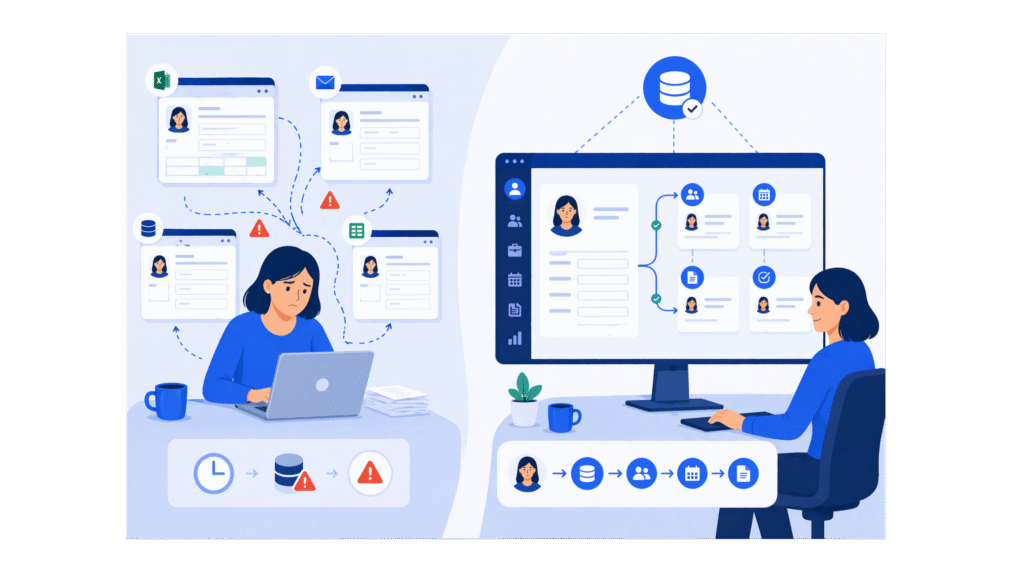
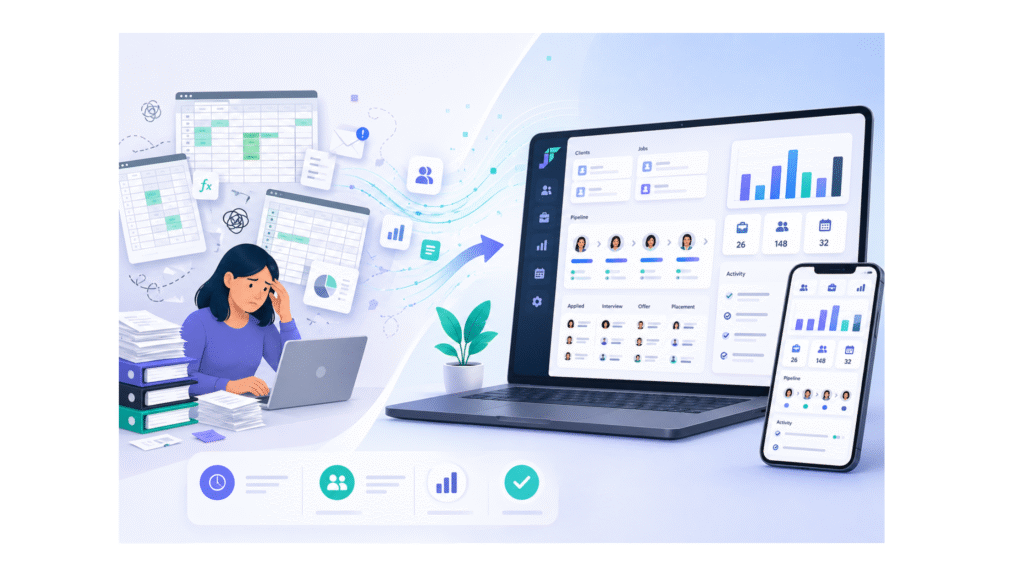
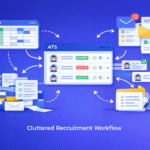
For many recruitment teams, reporting still lives in spreadsheets. It feels familiar, flexible, and easy to start with. But over time, that flexibility becomes a weakness. Data gets messy, formulas break, and multiple versions of the same report begin circulating.

As one recruitment manager put it,

“We spent more time fixing our reports than actually using them.”

Spreadsheets were not built for live recruitment environments. They struggle to keep up with fast moving pipelines where candidates, roles, and statuses change daily. What starts as a simple tracking tool often becomes a manual, error prone system that slows teams down.

Manual reporting is costing you hours

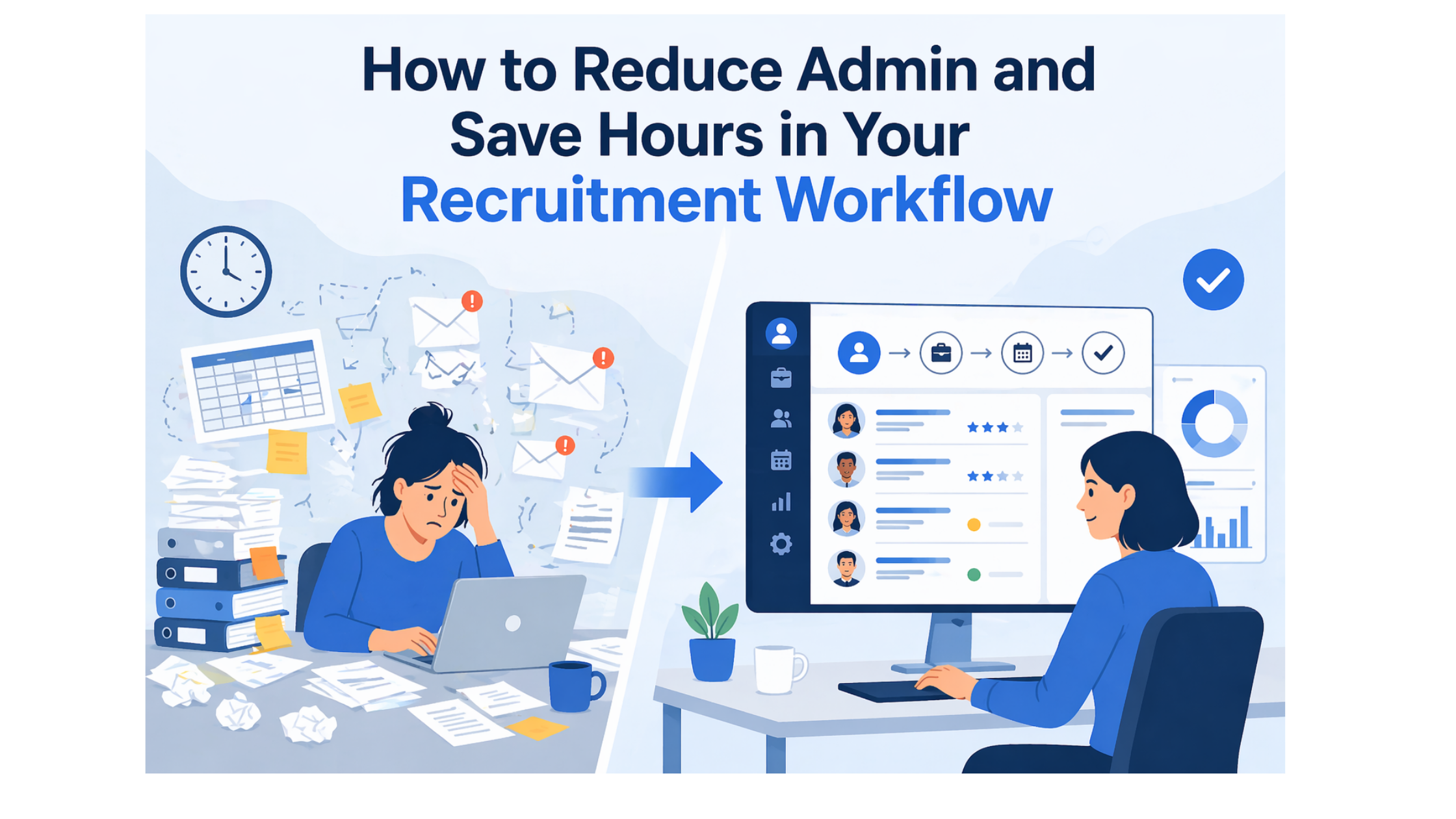
Most teams underestimate how much time goes into reporting. Updating candidate stages, tracking placements, compiling activity metrics, and formatting reports can easily take 5 to 10 hours per week per consultant.

That is time taken away from:

  • speaking to candidates
  • engaging clients
  • closing roles

“By the time the report is done, it is already outdated.” This is a common frustration across recruitment teams relying on manual processes.

Reporting should support performance, not delay it.

No real time visibility means slower decisions

Recruitment is not static. Candidates move, roles change, and priorities shift every day. Yet spreadsheets only show a snapshot in time.

This creates a gap between:

  • what is actually happening
  • what your report says is happening

Without real time visibility, teams struggle to:

  • identify bottlenecks early
  • track true pipeline health
  • respond quickly to issues

Outdated data leads to delayed decisions, and delayed decisions cost placements.

Inconsistent data creates confusion

When multiple people update spreadsheets, inconsistencies are almost guaranteed. Different formats, missing fields, and duplicate entries make reporting unreliable.

You might hear things like:

  • “Which version is correct?”
  • “Has this been updated?”
  • “Why do these numbers not match?”

When data cannot be trusted, it stops being useful. Instead of guiding decisions, it creates more questions and more admin.

A better approach to recruitment reporting

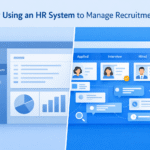
Modern recruitment teams are moving away from spreadsheets and towards centralised, real time reporting built into their workflow.

This is where platforms like JobTetris come in.

Instead of pulling data into reports manually, JobTetris captures activity as it happens. Every candidate update, status change, and placement feeds directly into your reporting automatically.

No duplication. No manual updates. No version control issues.

Real time dashboards that drive action

With JobTetris, reporting is no longer something you prepare at the end of the week. It is something you see instantly.

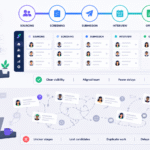
Dashboards provide live visibility into:

  • pipeline health
  • consultant activity
  • time to fill
  • candidate engagement

This means managers can act immediately, not retrospectively.

“We stopped chasing reports and started acting on insights.”

The shift is simple but powerful. From reporting on the past to managing the present.

Less admin, more accuracy

By removing manual reporting, teams can save hours every week. Data is automatically updated as part of the workflow, which significantly improves accuracy.

There is no need to:

  • re enter data
  • cross check multiple files
  • fix broken formulas

What you see is always up to date and aligned with reality.

Better insights lead to better performance

When reporting is accurate and real time, it becomes a strategic advantage. Teams can clearly see:

  • what is working
  • where deals are slowing down
  • which consultants need support

This level of visibility helps improve performance across the board.

“Once we trusted the data, we started making better decisions faster.”

It is time to move beyond spreadsheets

Spreadsheets are not the problem. They are just not designed for the speed and complexity of recruitment today.

Clinging to outdated tools creates unnecessary admin, delays, and missed opportunities.

JobTetris offers a better way. By combining recruitment workflow and reporting into one platform, it removes the need for manual tracking and gives teams the clarity they need to perform at their best.

Recruitment reporting should not feel like a separate task.
It should be automatic, accurate, and actionable.

With JobTetris, it is.